- Seeds of Change Consulting Newsletter
- Posts
- Freedom Is Not an Accident | June 2026
Freedom Is Not an Accident | June 2026
Juneteenth, Pride, and the People Who Made Both

LaShauna Austria
June 15, 2026

Without community, there is no liberation.
Audre Lorde
Friends,
June holds two freedoms at once. Juneteenth marks the end of slavery, the day in 1865 when a Union general reached Galveston, Texas, to tell enslaved African Americans they were free. Pride commemorates the Stonewall Uprising of 1969, a rebellion against police raids. Stonewall was not led by respectable gay men in suits. It was led by Black and Latinx trans women, drag queens, sex workers, and unhoused youth.
For most of America these are separate stories. Juneteenth is Black history. Pride is LGBTQ+ history. For Black queer and trans people there is no separating them.
What Freedom Required
The Emancipation Proclamation did not free anyone from the violence that followed. What came next was Jim Crow, sharecropping, segregation, redlining, and mass incarceration. Becoming free, and staying free, fell to Black people themselves.
The national theme this year is Juneteenth Brings Balance to America's Celebration of Freedom. But there is no balance between the cookouts and the police violence, or between the federal holiday and the steady assault on Black voting rights, health, and existence. When Black queer and trans people show up to Juneteenth, we ask the question our ancestors asked: what does freedom look like for all of us?
Some of the loudest voices in Black spaces do not want us there. Put away the “other stuff," they say. Focus on being Black first. But we cannot separate ourselves from ourselves, and a freedom that leaves us out is not freedom.


In 1969, police raided the Stonewall Inn the way they had raided dozens of queer bars before. This time something shifted. Marsha P. Johnson, a Black trans woman and sex worker, was there. So was Sylvia Rivera, who was Latinx, trans, and homeless. They fought back.
Black and Brown queer people had resisted police for years before that night, at Compton Cafeteria in San Francisco in 1966 and the Black Cat Tavern in Los Angeles in 1967. What made Stonewall different was that someone documented it.
Then the world rewrote the story. Pride became white and corporate. It started asking for a place inside systems that should never have existed: the military, marriage to a state that never cared, hate crime laws that feed the prison system. The people who started it lost their place in it.

At the Juneteenth cookout, you are also watching. Will someone say something transphobic? Will your family make a scene about your partner or your pronouns? Will it be safe to hold hands?
At Pride, the math is different. The corporations wave flags and the police department has a float, and Black trans women are still dying. Nearly half of all Black trans people have been incarcerated. When they interact with police, they are seven times more likely to face physical violence than people who are not trans. That is the ground under the celebration, and it is what makes June complicated.
Dominique Morgan, a Black trans woman and activist, refuses the idea that we should choose between our Blackness and our queerness. She is not asking for balance. She is asking for a liberation that is whole.


This work is uncomfortable. It means saying hard things to people you love and showing up when you are not sure it is safe. It also means not working alone. Groups like the National Black Justice Coalition, FIERCE, the Audre Lorde Project, and Southerners on New Ground have been at it for decades, because Black queer and trans people understood long ago that our freedom depends on each other.
This year’s PRIDE theme is For All of Us. Juneteenth is balance. Both ask the same thing: whose freedom are we fighting for, and are we willing to change the whole arrangement so nobody is left behind?
Here is something to sit with this month. Where am I being asked to make myself smaller so others can be comfortable?
Marsha, Sylvia, Miss Major, and many others did not ask permission. They showed up as themselves and made room for the people coming behind them. We inherit that legacy. What we do with it matters.



Working with a leaner budget and ready to facilitate your own strategic visioning process? The Vision to Action Self Guide was made for you.





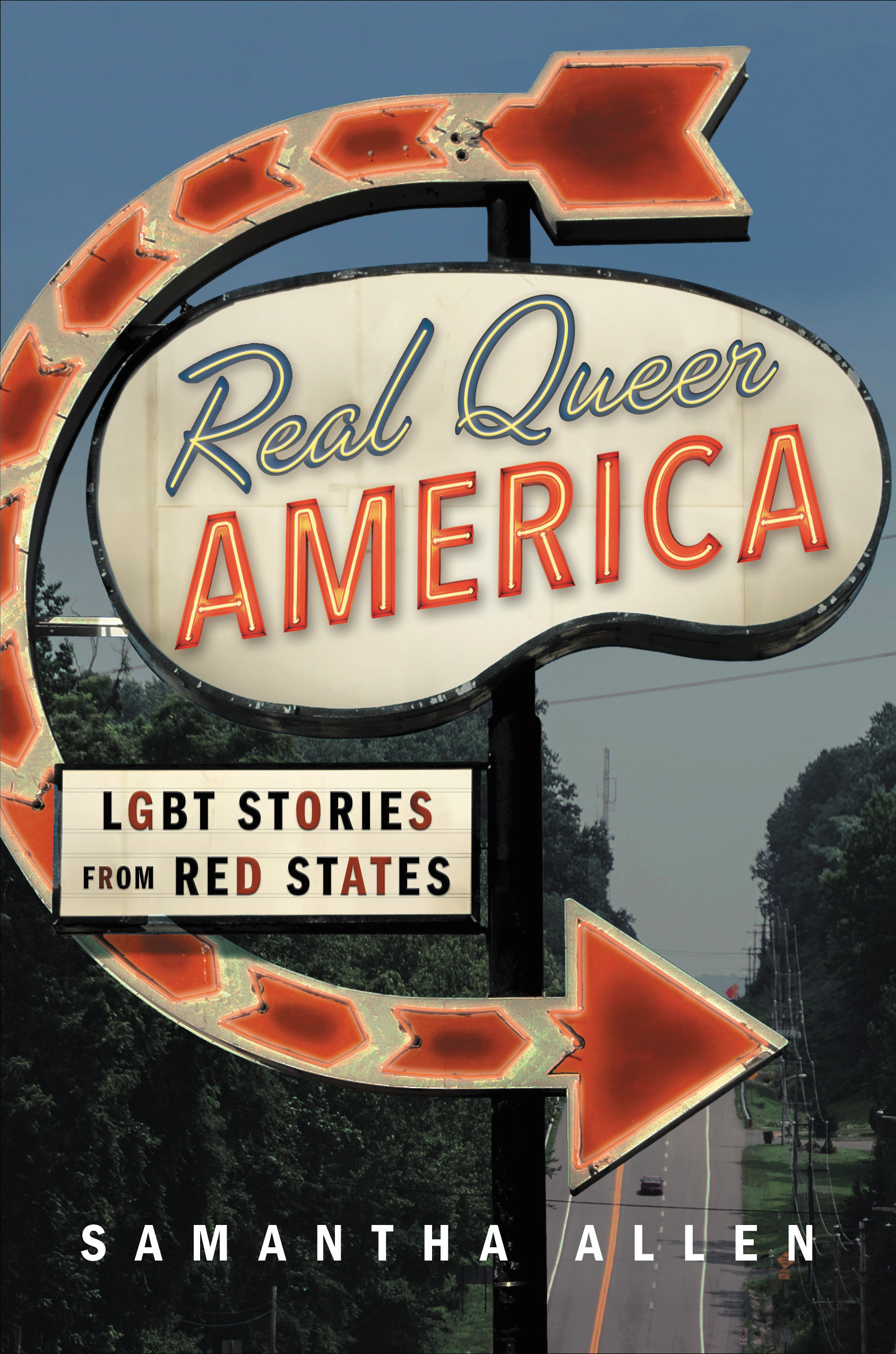
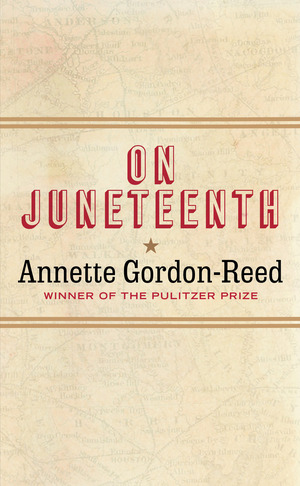
 | "In a racist society, it is not enough to be non-racist. We must be anti-racist."Angela Davis |
