- Seeds of Change Consulting Newsletter
- Posts
- February 2026: Celebrating 100 Years of Black History Month
February 2026: Celebrating 100 Years of Black History Month
The Stories That Continue to Shape Us

LaShauna Austria
February 15, 2026
Hello Change-Makers,
As we step into February 2026, we mark a momentous milestone: the 100th anniversary of Black History Month commemorations. In 1926, historian Carter G. Woodson established Negro History Week, choosing the second week of February to honor the birthdays of Abraham Lincoln and Frederick Douglass. Fifty years later, this visionary act of cultural preservation became Black History Month, a national celebration of Black excellence, resistance, and resilience.
At Seeds of Change Consulting, we recognize that commemoration is not passive remembrance. It is an active practice of truth-telling, a commitment to centering stories from the margins, and a powerful tool for racial healing and transformation. As we honor this centennial, we ask ourselves: What have we learned from a century of intentional commemoration? And how do we carry forward this legacy into the next hundred years?
1926-1950: Documenting Our Story
Carter G. Woodson's Revolutionary Vision
When Carter G. Woodson established Negro History Week in 1926, it was a radical act of cultural reclamation. At a time when Black contributions to American society were systematically erased from textbooks, media, and public consciousness, Woodson insisted that “if a race has no history, if it has no worthwhile tradition, it becomes a negligible factor in the thought of the world.”
His mission was clear: to research, document, and disseminate the truth about Black history so that future generations would know their inheritance. Woodson believed that knowledge of one's history was necessary for self-determination and collective power.
Celebrations of This Era:
Negro History Week planted seeds for future generations to reclaim and celebrate Black narratives
Zora Neale Hurston's anthropological work preserved Black folklore, language, and cultural traditions
The Tuskegee Airmen demonstrated excellence and courage, challenging racist myths about Black competence
Jackie Robinson broke baseball's color barrier (1947), opening doors in professional sports
Executive Order 8802 (1941) prohibited racial discrimination in defense industries, a victory won through A. Philip Randolph's organizing

1951-1975: Movement Building and Cultural Power
From One Week to One Month
Negro History Week expanded in scope throughout the mid-20th century, growing alongside the Civil Rights Movement and the cultural shifts of the 1960s and 70s. In 1976, during the nation's bicentennial celebrations, President Gerald Ford officially recognized Black History Month, calling upon Americans to "seize the opportunity to honor the too-often neglected accomplishments of Black Americans in every area of endeavor throughout our history."
Celebrations of This Era:
The Montgomery Bus Boycott (1955-56) demonstrated the power of collective action and community organizing
Student sit-ins and Freedom Rides showed young people leading transformative change
The March on Washington (1963) brought together diverse coalitions for jobs and freedom
Malcolm X's teachings offered alternative visions of Black liberation and self-determination
The Black Panther Party's community programs provided food, education, and health care while building political consciousness
Black Arts Movement created cultural expressions that affirmed Black beauty, power, and liberation
Shirley Chisholm became the first Black woman elected to Congress (1968) and ran for president (1972)

1976-2000: Expanding the Vision
Centering Black History
With Black History Month officially recognized, communities across the nation worked to ensure Black history was taught, celebrated, and preserved. This era saw growing representation in media, politics, and culture - though the struggle for genuine equity continued.
Celebrations of This Era:
The founding of BET (1980) created a platform for Black voices in media
Jesse Jackson's presidential campaigns (1984, 1988) expanded political possibilities and voter engagement
The first National Martin Luther King Jr. Day (1986) honored a freedom fighter's legacy
Toni Morrison received the Nobel Prize in Literature (1993), celebrating Black storytelling at the highest level
The Million Man March (1995) brought together Black men in solidarity and commitment to community
Hip-hop culture became a global force, with artists using music to document Black life and resistance
Performance by Hip Hop for Change | Khafre Jay | TEDxSausalito
2001-2025: Reclaiming and Reimagining
Digital Activism and New Narratives
The 21st century brought new platforms for Black voices, new movements for justice, and new challenges as backlash against racial progress intensified. Black communities continued to build, resist, and reimagine what liberation could look like.
Celebrations of This Era:
The election of Barack Obama (2008) as the first Black president, a historic milestone amid ongoing struggle
Black Lives Matter movement (founded 2013) created decentralized organizing for Black lives and dignity
#SayHerName and #MeToo movements centered Black women's experiences and leadership
The 1619 Project (2019) reframed American history by centering slavery's lasting impact
Amanda Gorman's inaugural poem (2021) offered new visions of hope and healing
Ketanji Brown Jackson's Supreme Court confirmation (2022) brought the first Black woman to the nation's highest court
Expansion of Juneteenth recognition as a federal holiday (2021) acknowledged the ongoing struggle for freedom

Today, Black History Month is observed across the United States, Canada, and the United Kingdom, with countless schools, institutions, and organizations dedicating February to education, celebration, and reflection. Yet the question remains: Are we truly engaging with Black history, or are we simply performing recognition?
True commemoration goes beyond surface-level celebrations. It requires:
Deep Truth-Telling: Confronting the uncomfortable realities of slavery, Jim Crow, redlining, mass incarceration, and ongoing systemic racism.
Centering Black Voices: Amplifying the narratives, scholarship, and leadership of Black historians, activists, and community members.
Sustained Engagement: Moving beyond February into year-round practices of learning, accountability, and action.
When we commemorate Black history with integrity, we create pathways for racial healing and systemic transformation.


While February invites us to reflect on Black history, the workplace is where the implications of that history, and the ongoing journey toward equity, unfold every day. For organizations committed to racial equity, Black History Month presents both an opportunity and a responsibility.
From Performative to Transformative
Too often, Black History Month in organizational spaces is reduced to token gestures. Authentic recognition requires organizations to acknowledge historical harms, center Black employees year-round, and use this month as a catalyst for genuine policy reform and equitable practices.
Narrative Shift: Whose Stories Are Told?
Carter G. Woodson taught us that history is written by those in power, and that reclaiming narrative is an act of resistance. Organizations must examine whose voices shape their history, whose contributions are celebrated, and whose stories remain invisible.
Year-Round Integration
Racial equity cannot be confined to a single month. Black History Month should serve as a foundation for year-round cultural transformation: weaving Black history and racial equity education into all aspects of organizational life, reviewing recruitment and promotion practices, and building authentic partnerships with Black-led organizations.
The legacy of Black history lives not only in textbooks and museums, but in the everyday work of communities building toward liberation. Across the nation, people are engaged in the ongoing practice of commemorating, educating, and organizing, ensuring that Black history informs present-day action.
From local historical societies preserving stories of resistance to young people demanding honest Black history education, communities are taking ownership of how narratives are told. The most powerful commemoration is action: fighting for reparations, defending voting rights, supporting Black-owned businesses, and building solidarity across movements for justice.

Seeds of Change Consulting partners with communities and organizations to turn commemoration into transformation. Our work is rooted in the lineage of training developed by Rev. C.T. Vivian and Ann Braden during the Civil Rights Era, examining root causes of inequities and understanding racism in its institutional, structural, and personal forms.
We offer Anti-Racist Trainings, Strategic Planning for Racial Equity, Communities of Practice, Racial Equity Audits, Meeting Facilitation, and Conflict Mediation, all designed to build intersectional equity plans with tangible action steps.
⚘ Closing Thoughts
A century ago, Carter G. Woodson insisted that Black history mattered—that it deserved to be studied, celebrated, and preserved. One hundred years later, his call continues to resonate. As we commemorate this centennial, we are reminded that commemoration without transformation remains incomplete. We invite you to move beyond passive recognition and into engaged participation—learning, listening, advocating, and taking action for racial justice.
With gratitude and resolve,
The Seeds of Change Team





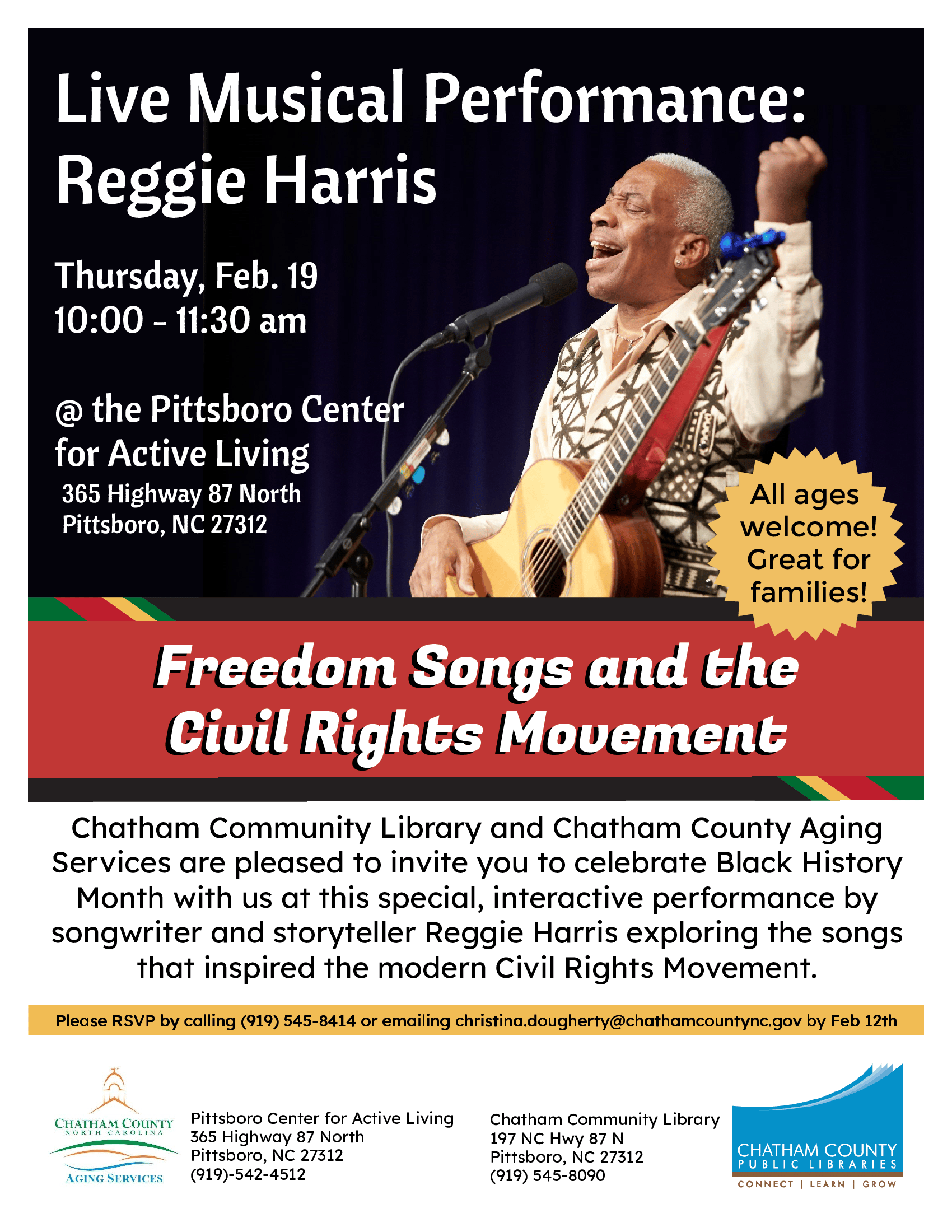
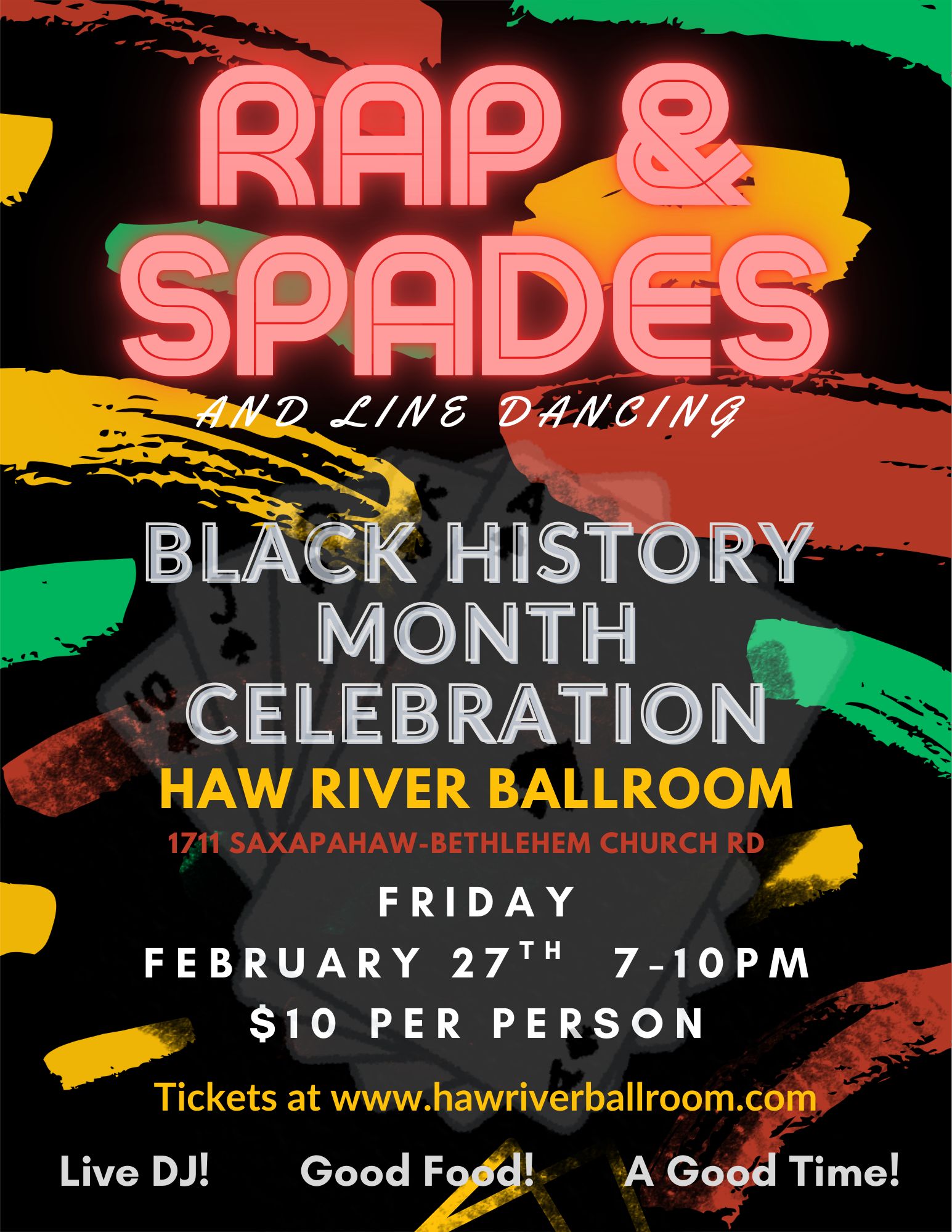
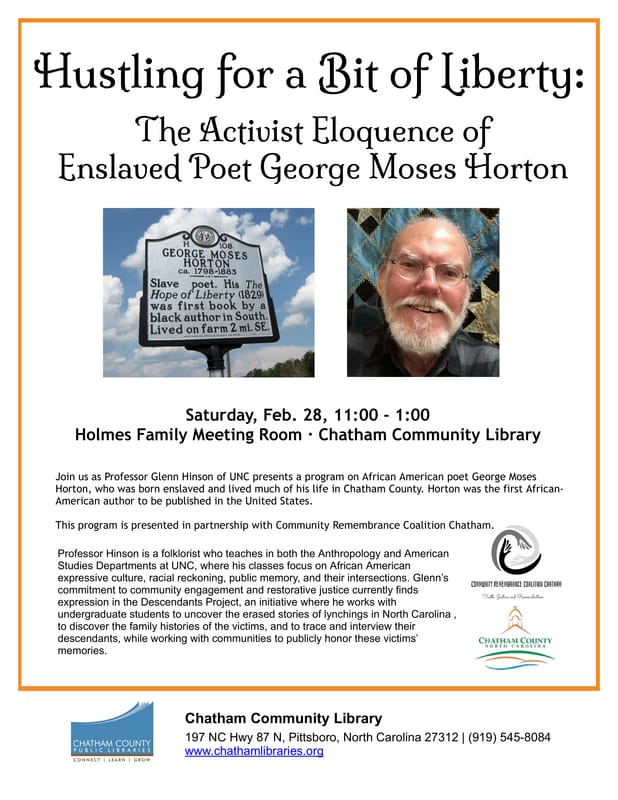
📅 Local 2026 Black History Month Events
We are populating a community calendar with local events, workshops, and commemorative gatherings throughout February. Check back often as we highlight the stories and legacies that continue to shape our community.
 |  |
 |  |



 | "In a racist society, it is not enough to be non-racist. We must be anti-racist."Angela Davis |
